Good moving boxes make every part of a move easier: they stack properly in the van, they carry safely up and down stairs, and they arrive with nothing broken. This guide covers how many boxes you need for your home, which types to use, what else goes in a packing kit, where to get boxes, and the order to pack in. It is written with Bradford homes in mind, from stone terraces with steep, narrow staircases to new-build flats with lifts.
How many moving boxes you need by property size
These are rough guides for a typical home. Count up from them if you have a full loft or cellar, lots of books, a big kitchen or a hobby room.
- Studio or one-bedroom flat: about 20 to 30 boxes.
- Two-bedroom flat or terrace: about 30 to 50 boxes.
- Three-bedroom house: about 50 to 70 boxes.
- Four-bedroom house: about 70 to 100 boxes.
- Five bedrooms or more: 100 boxes or more.
Add two or three wardrobe boxes per bedroom if you want clothes to travel on hangers. Students moving out of a room near the University of Bradford or Bradford College can often manage with 10 to 15 boxes and a couple of bags.
A lot of Bradford terraces have a cellar, and many have a boarded loft too. Those spaces fill up with tools, paint, Christmas decorations and old paperwork over the years. Open the cellar door before you order boxes, because it often adds ten or more to the count.
Types of moving boxes and what to put in them
Small boxes
Use small boxes for heavy things: books, records, tins, tools, files and shoes. A small box of books is about as much as one person should lift, especially on a steep staircase.
Medium boxes
The everyday box. Kitchen items, toys, ornaments, small appliances, toiletries and most of the contents of cupboards go in medium boxes.
Large boxes
Keep large boxes for light, bulky items: bedding, pillows, duvets, towels, cushions and lampshades. If a large box is heavy when you lift it, take some out.
Wardrobe boxes
Tall boxes with a hanging rail inside. Clothes go straight from the wardrobe onto the rail and come out unfolded at the other end. They are tall, so check they will get round the turn on narrow terrace stairs before you fill one at the top of the house.
Specialist boxes
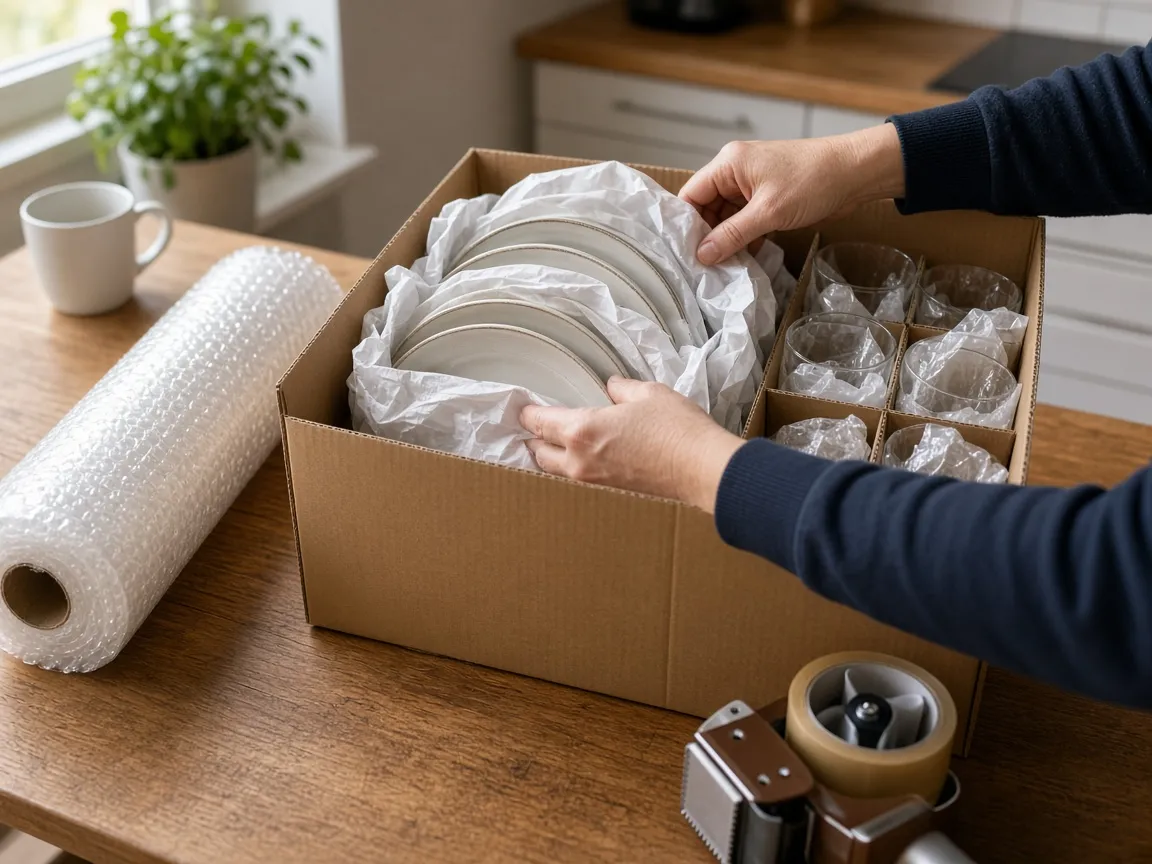
Picture and mirror boxes, flat-screen TV boxes and boxes with cell dividers for glasses all protect awkward or fragile items better than a standard box. Our guide to packing fragile items explains how to pack plates, glasses and TVs.
What else goes in a packing kit
Boxes are only part of the job. A useful packing kit includes:
- Strong packing tape. Buy more than you think you need. Tape the bottom of every box across the middle seam and along the edges.
- A tape gun. It makes taping much faster and neater.
- Packing paper. Plain, ink-free paper for wrapping crockery and glass, and for filling gaps so items do not move.
- Bubble wrap. For the most fragile items, pictures and electronics.
- Marker pens. Thick, permanent, one per person packing.
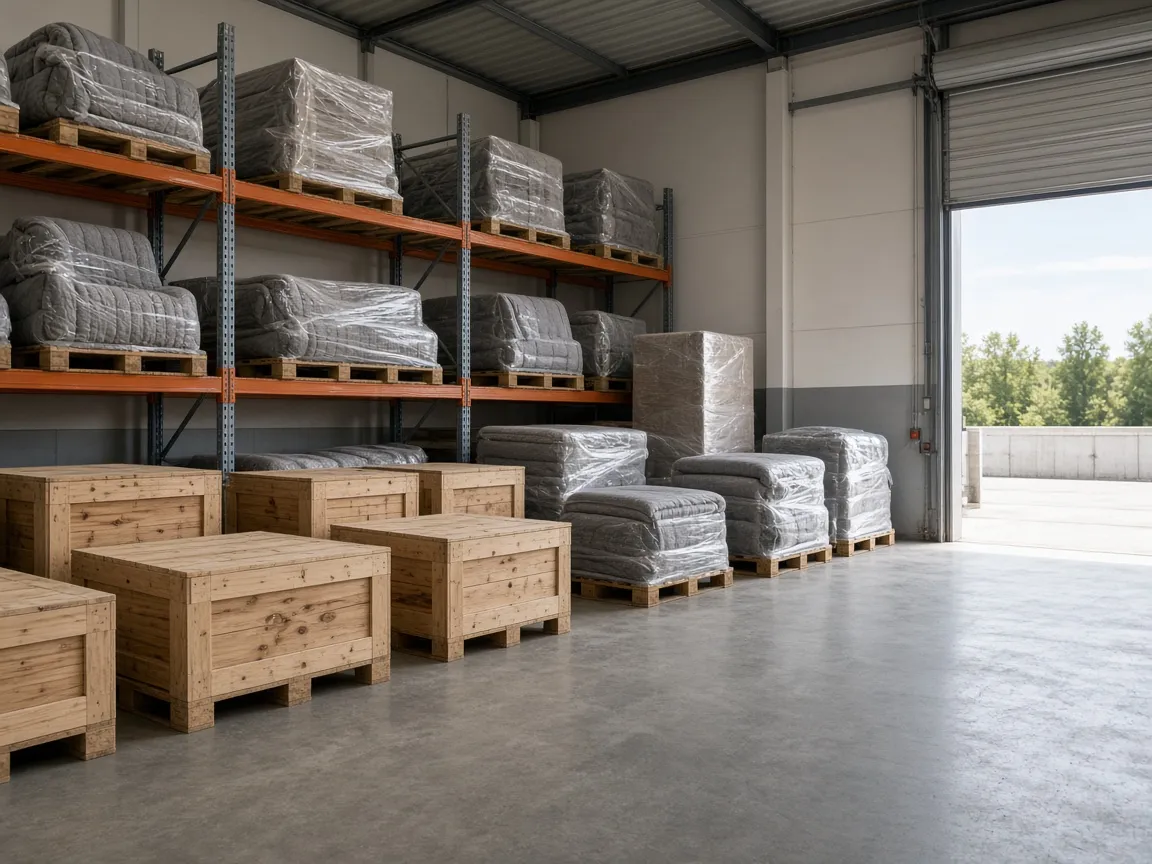
- Mattress and sofa covers. These keep soft furniture clean on the van and on the way through the house.
- Small bags. For screws, bolts and fittings when you take furniture apart. Tape each bag to the item it came from.
Avoid newspaper for wrapping anything you do not want to wash, because the ink rubs off.
Where to get moving boxes
You have three main options:
- From your removal company. Boxes designed for moving stack well in the van and are strong enough for repeated lifting. If you book our packing service, ask for materials to be included and the crew can bring them on the day.
- Buy them new. Removal boxes and packing kits are sold online and by DIY and storage retailers. Check the strength rating: double-wall boxes are best for heavy or fragile things.
- Reuse boxes. Friends who have just moved, local community groups and online marketplaces often have boxes to give away. Only use them if they are clean, dry and still firm.
Avoid supermarket boxes for anything heavy. They are often thin, odd sizes and do not stack well, which makes them harder to load safely.
The packing order that works
Pack from the least used rooms to the most used. That way you can still live in your home until the last day.
Four weeks before
- Loft, cellar, garage and shed.
- Spare room and guest bedding.
- Out-of-season clothes and shoes.
- Books, DVDs and games you are not using.
Two weeks before
- Ornaments, pictures and mirrors.
- Most of the kitchen, apart from what you use daily.
- Hobby items and toys that can be put away.
The last few days
- Everyday kitchen items, toiletries and the clothes you are wearing.
- Bedding, which goes in last and comes out first.
- A first night box for each person, kept separate so it travels with you.
For a full timeline, see our house removals checklist.
How to pack moving boxes so they arrive safely
- Put heavy items at the bottom and light ones on top.
- Fill every gap with paper so nothing shifts in transit.
- Keep each box to a weight one person can carry safely.
- Do not overfill. A box that bulges at the top will not stack and may crush.
- Label each box with the room it is going to and a short list of what is inside.
- Mark fragile boxes clearly on more than one side.
- Number your boxes and keep a list, so you know if anything is missing.
On Bradford streets where the van cannot park right outside, boxes may be carried a fair way along the pavement or up a set of stone steps. Lighter, well-taped boxes make that much safer and quicker.
Want the boxes packed for you?
If you would rather not spend evenings wrapping plates, the crew can pack all or part of your home before the move. Many people pack books and clothes themselves and leave the kitchen and fragile items to us. Get a free quote or call 08000862860 and tell us which rooms you want packed.
Planning a move in Bradford?
Get a free, no-obligation quote, or try the cost calculator for a rough idea first.