Preparing items for storage properly is the difference between unpacking a set of clean, dry belongings and opening a box of musty clothes. The rules are simple: store only what you need to, clean and dry everything, pack it in strong boxes, label it clearly and load it in a sensible order. This guide covers each step, plus a few points that matter in Bradford, where damp winters and stone houses with cellars can affect how things are kept.
Decide what is worth storing
Storage space is limited, so start by sorting. Go room by room and make four piles: keep at home, store, sell or give away, and recycle or bin.
Ask yourself:
- Will I use this in the next year?
- Would it cost less to replace than to store?
- Does it have real sentimental value?
Old mattresses, broken furniture and things you have not touched in years rarely need a place in storage. Bradford has charity shops in most local centres, and Bradford Council runs household waste and recycling sites for what cannot be reused.
Clean and dry everything
Dirt and damp are the main enemies in storage. Before anything is packed:
- Wipe down furniture, appliances and shelves.
- Wash and fully dry clothes, bedding and curtains.
- Vacuum sofas, chairs and rugs.
- Let everything air for a day if it has been in a damp cellar or loft.
Even a little moisture can cause mould over a few months. If your home has a cellar, which many Bradford stone terraces do, check boxes that have been stored down there before moving them on.
Pack boxes the right way
Use strong, matching boxes
Good boxes of one or two sizes stack well and use the space better than a mix of supermarket boxes. Heavy items such as books go in small boxes. Light, bulky items such as bedding go in large ones.
Fill every box
Half-empty boxes collapse when stacked. Fill gaps with towels, clothes or packing paper so the box is firm.
Wrap fragile items one by one
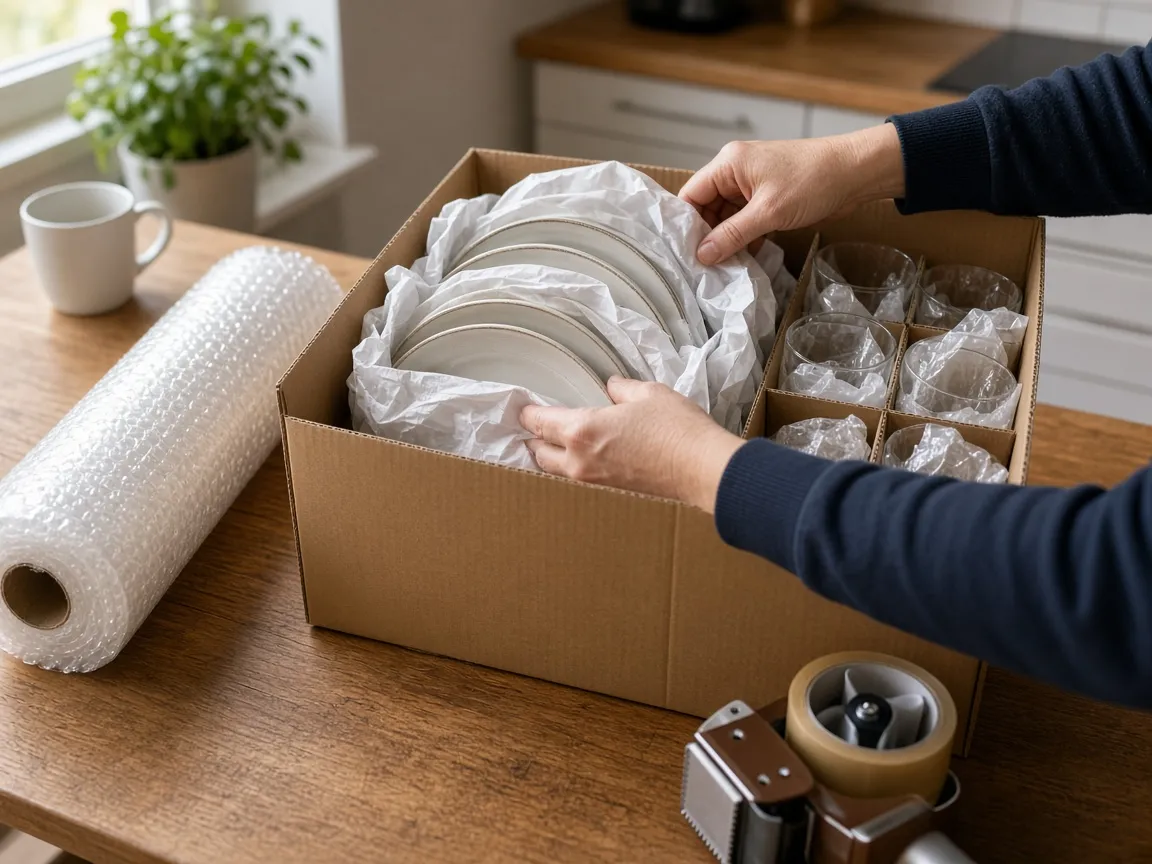
Wrap plates, glasses and ornaments individually in paper. Stand plates on their edge rather than flat. Mark the box as fragile on more than one side.
Seal and label
Tape the top and bottom of every box. Label the side, not just the top, so you can read it when boxes are stacked. Write the room and a short list of what is inside.
Prepare furniture
- Take it apart. Remove legs from tables and beds, and take down bed frames and flat-pack wardrobes. Keep screws and fittings in labelled bags taped to the main part.
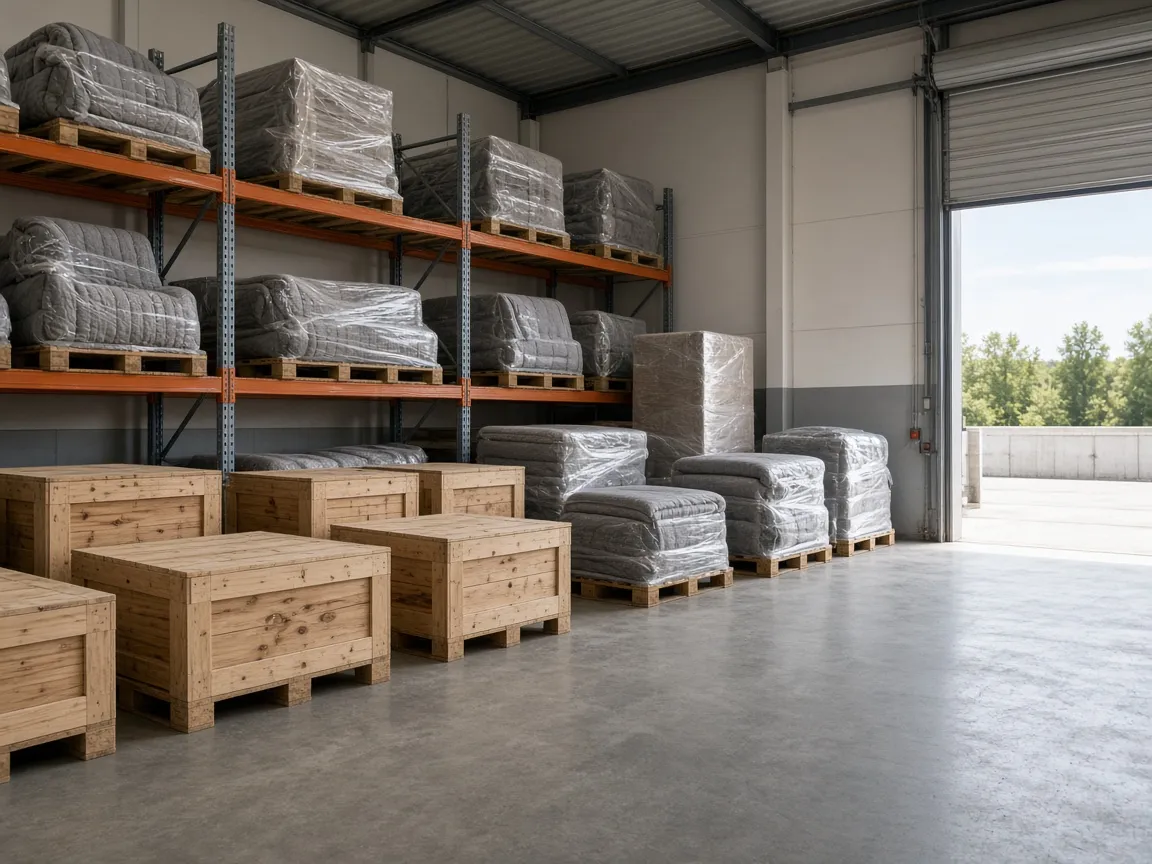
- Protect surfaces. Wrap wooden furniture in blankets or breathable covers. Use corner protectors on tables and cabinets.
- Cover upholstery. Use breathable dust covers for sofas and chairs.
- Store mattresses in bags. Keep them flat or on their side, never folded.
- Wrap mirrors and pictures. Pad them with card and stand them upright, never flat with anything on top.
Prepare appliances
Fridges, freezers and washing machines need extra care. Defrost and dry fridges and freezers completely, and store them with the doors slightly open so air can flow. Drain washing machines and fit the transit bolts before they move.
We have separate guides for these: how to move a fridge freezer and storing a washing machine.
What not to store
Keep these out of storage:
- Food and drink, including tins, which can attract pests or leak.
- Plants and anything living.
- Flammable or hazardous items: paint, fuel, gas bottles, fireworks and chemicals.
- Important papers, passports, cash, jewellery and medication. Keep these with you.
Make the most of your space
How you load the storage space matters as much as how you pack.
- Make an inventory. List what goes in and number the boxes. Take photos of valuable items and furniture.
- Heaviest at the bottom. Put heavy boxes and solid furniture at the base, with lighter boxes on top.
- Things you need, at the front. Keep seasonal items, tools or paperwork you might want near the door.
- Leave a walkway. A narrow path down the middle means you can reach the back without unloading everything.
- Use the height. Stack boxes high where it is safe, and stand sofas on end if they are sturdy enough.
- Use hollow spaces. Wardrobes, drawers and the inside of washing machines can hold light, soft items.
- Keep things off the floor. Pallets or boards under items help protect against any damp.
Short spells and long spells
How long items will be stored changes how you pack them.
For a few weeks, for example between moving out and moving in, the main aim is protection during handling. Good boxes, blankets on furniture and clear labels are usually enough.
For several months or more, think harder about damp, dust and pests:
- Wrap upholstered furniture in breathable covers, not plastic.
- Put cedar blocks or lavender bags in boxes of clothes and linen to deter moths.
- Use sealed plastic tubs for books, papers and photos, with a sachet of silica gel inside.
- Treat wooden furniture with a little polish before it goes in, to protect the finish.
- Plan a visit every so often, if your storage allows it, to check for any problems.
Whatever the length of stay, keep your inventory somewhere safe at home, with photos, so you know exactly what went in.
Bradford points to bear in mind
The Pennine climate means wet autumns and cold winters. That makes dry, well-wrapped items even more important. Wood can swell and fabrics can pick up smells if they go in damp.
If you are moving between homes across the city, for example from Frizinghall to Baildon, and there is a gap between completion dates, short-term storage can bridge it. Our guide on storage when moving house explains when it makes sense and what affects the cost.
Getting help with storage
Packing for storage takes longer than most people expect. If you would rather have help, our packing team can wrap and box everything properly. Our storage service can collect your belongings, keep them until you are ready and deliver them to your new home.
To arrange a collection, use the free quote form or call 08000862860. Let us know roughly how much you need to store and for how long.
Planning a move in Bradford?
Get a free, no-obligation quote, or try the cost calculator for a rough idea first.
Areas mentioned