Downsizing is a big step. Leaving a family home in Heaton, Idle or Baildon for a flat, a bungalow or a retirement flat means fewer rooms, less storage and, usually, a lot of decisions about what comes with you. Done in a rush, it can be draining. Done in stages, it can feel like a fresh start. This guide covers the practical side of downsizing in Bradford, from sorting your things to moving day.
Why people downsize
Everyone has their own reasons, but the common ones are:
- Less upkeep. A smaller home and garden take less time and effort.
- Easier access. A bungalow or ground floor flat means no stairs. Many of Bradford’s older stone houses have steep stairs and steps up from the street.
- Being nearer family or local shops and buses.
- Releasing money tied up in a larger home.
- Support on hand, in the case of retirement flats and sheltered housing.
Knowing your main reason helps when choosing what to keep. If the aim is less to look after, it makes sense to be firm about clearing out.
Start with the new floor plan
The most useful thing you can do early is measure your new home. Get a floor plan from the agent, developer or housing provider, or measure it yourself on a visit.
- Measure each room. Length, width and ceiling height.
- Mark doors, windows and radiators. They limit where furniture can go.
- Note built-in storage. Count the wardrobes and cupboards.
- Measure doors, lifts and corridors. Retirement flats and blocks often have narrow corridors and small lifts.
- Measure your furniture. Sofa, bed, wardrobe, dining table, dresser and anything large.
Then sketch which pieces fit where. A sofa that suited a big through lounge may swamp a smaller room. A king-size bed may leave no space for bedside tables. Seeing it on paper makes decisions easier.
Decluttering when you downsize
Go room by room
Do not try to sort the whole house in a weekend. Pick one room, or even one cupboard, at a time. Start with the easiest spaces, such as a spare bedroom, and leave the harder ones, such as photos and letters, until you are in the swing of it.
Use four piles
For each room, sort things into:
- Keep. You use it, it fits, and you want it.
- Family. Offer it to children, grandchildren or friends.
- Sell or donate. Furniture, books, clothes and kitchenware in good condition.
- Recycle or dispose. Broken or worn-out items.
The loft, cellar and garage
These spaces hide years of things. Start them first, as they take longest. We can only clear a loft if there is a fitted loft ladder and boarding. Sheds and outdoor furniture are quoted separately, so decide early whether they are coming.
Getting rid of furniture
Bradford Council has a guide to reusing, donating or selling old furniture, and it runs a bulky waste collection service for items that cannot be reused. Check the council’s pages for what is accepted and how to book. Charities that collect furniture usually need upholstered items to have their fire safety labels attached, so check before you book a collection.
Getting family involved
Family can make downsizing easier, but it helps to agree a plan.
- Hold a family day. Let relatives pick the pieces they would like. Set a date by which items must be collected.
- Be clear about heirlooms. Decide who has what before moving day to avoid upset later.
- Share the jobs. One person can sort paperwork, another can handle selling items online, another can deal with the loft.
- Plan extra drop-offs. If furniture is going to a relative’s house as well as your new home, include both addresses in your quote request.
If family live outside Bradford, a move can include a stop on the way or a second trip. Tell us where things are going.
Using storage while you decide
Some decisions are hard to make in a hurry. If you are unsure about a dining set or a collection of books, short-term storage gives you time. Storage also helps if:
- your sale completes before your new home is ready
- you are waiting for a place in a retirement flat
- you want to keep items for a family member who is not ready to take them
Pack items for storage carefully, label boxes clearly, and keep a list of what is in store.
Packing and the move itself
Packing
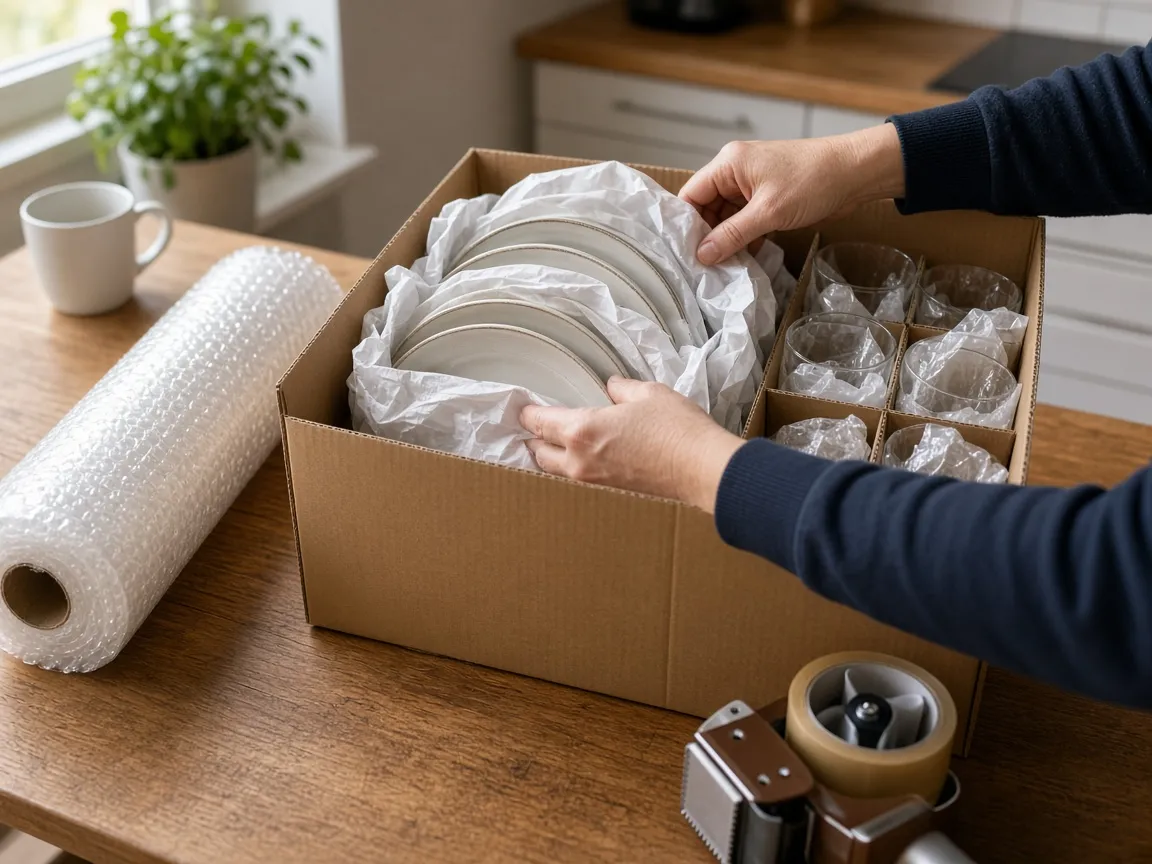
Downsizing often means packing decades of belongings. If you cannot do much lifting, or you just want help with the fragile things, our packing service can do some or all of it. Many people pack clothes and books themselves and leave china, glass, pictures and mirrors to us.
Moving into a flat or retirement flat
Flats and retirement blocks often have rules about moving in. Before the day:
- Ask the manager about move-in times, lift bookings and where the van can park.
- Check the lift size against your largest item.
- Ask about protecting shared corridors and doors.
Our flat removals service is set up for lifts, stairs and shared entrances.
Moving into a bungalow
Bungalows are usually easier to move into, with no stairs. But they often have smaller rooms and less storage, so the floor plan matters even more.
On the day
- Keep a bag with medicines, glasses, chargers, documents and a change of clothes.
- Have a family member or friend with you if you can.
- Point out where each piece should go in the new home. We will place furniture in the right rooms.
- Unpack the essentials first: bed, kettle, a few plates and the bathroom.
Downsizing timeline
A rough plan for a calm move:
- Several months ahead. Start sorting the loft, cellar and spare rooms. Measure your new home if you can.
- Six to eight weeks ahead. Hold the family day. Book charity collections or council collections.
- Four weeks ahead. Get a quote and book the move. Arrange storage if needed.
- Two weeks ahead. Start packing the rooms you use least.
- The final week. Pack the rest, defrost the freezer and confirm times.
Plan your downsizing move
Downsizing is easier when you take it in stages and have help on the day. Send us your addresses, a list of what is going and any extra drop-offs through our free quote form, or call 08000862860. Quotes are free and valid for 3 months, which gives you time to plan.
Planning a move in Bradford?
Get a free, no-obligation quote, or try the cost calculator for a rough idea first.